
Zigbee USB dongle based on Silicon Labs EFR32MG21 microcontroller with CH340E USB interface, pre-flashed with EZSP v8 for Home Assistant ZHA or Zigbee2MQTT, featuring +20dBm output gain and PCB antenna in a plastic housing.


Zigbee USB dongle based on Silicon Labs EFR32MG21 microcontroller with CH340E USB interface, pre-flashed with EZSP v8 for Home Assistant ZHA or Zigbee2MQTT, featuring +20dBm output gain and PCB antenna in a plastic housing.
EFR32MG21 Zigbee USB Dongle for Home Assistant and Zigbee2MQTT with +20dBm Gain
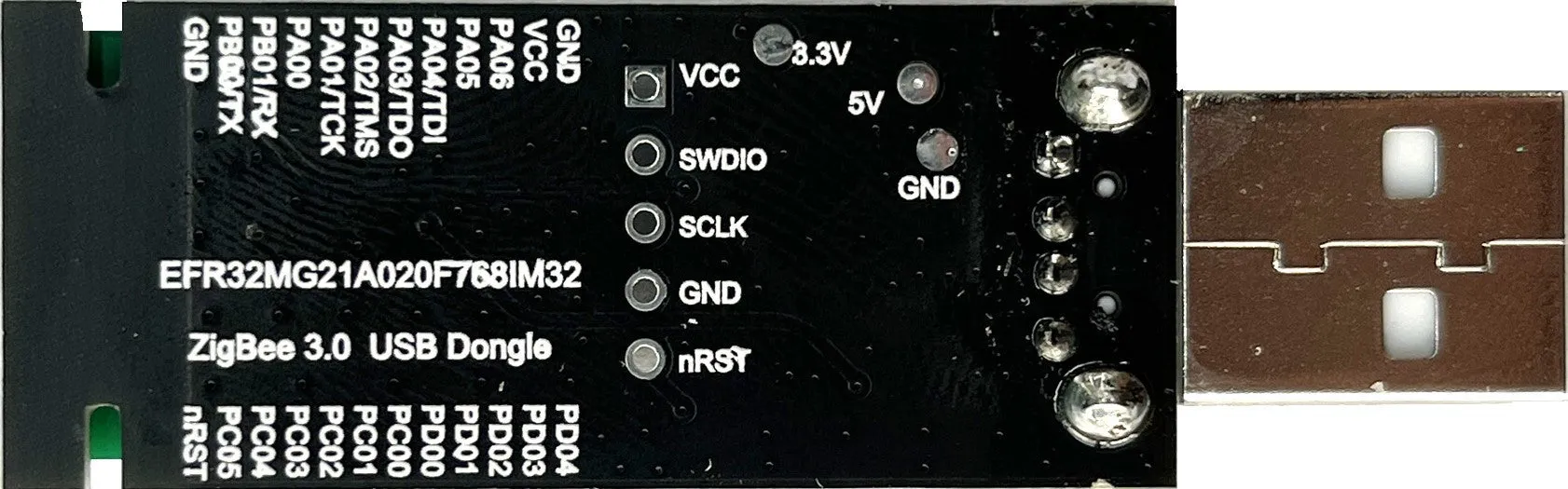
This product is a dedicated Zigbee USB adapter designed to simplify the process of creating or expanding a smart home network. It centres on the Silicon Labs EFR32MG21 microcontroller, a component known in the IoT space, and is paired with a CH340E chip for USB connectivity. The primary appeal is its out-of-the-box readiness; it arrives pre-configured with the EmberZNet Serial Protocol version 8 (EZSP v8), eliminating initial firmware flashing for users. This makes it a practical choice for integrating with popular open-source home automation platforms like Home Assistant using its ZHA integration or with the Zigbee2MQTT bridge software. While its confirmed operation is with these specific solutions, its adherence to Zigbee standards suggests potential compatibility with other gateways, though this remains unverified. The dongle is housed in a standard plastic shell and operates at a 115200 baud rate for serial communication.
Features and Construction

The dongle integrates several key hardware and software features aimed at reliable Zigbee network performance. Its construction focuses on providing the necessary radio frequency capabilities and user-accessible functions for maintenance and updates.
Material and Build
The external casing of the device is made from plastic, forming a lightweight and durable housing for the internal electronics. This construction is typical for USB peripherals, offering basic physical protection. Internally, the core components are the Silicon Labs EFR32MG21 system-on-chip, which handles the Zigbee protocol stack and radio, and the CH340E, a common USB-to-serial bridge chip that facilitates communication between the microcontroller and the host computer. This combination forms the foundation of the device's functionality.
Size and Practical Fit
While exact physical dimensions are not specified, as a USB dongle, it is designed for a compact form factor. It will occupy a single USB port on a computer, Raspberry Pi, or similar host device. Users should ensure they have an available USB port, preferably connected directly to the host or via a powered hub for optimal performance. The plastic shell design suggests a standard, non-bulky profile suitable for permanent installation in a home automation server setup without obstructing adjacent ports.
Uses and Placement
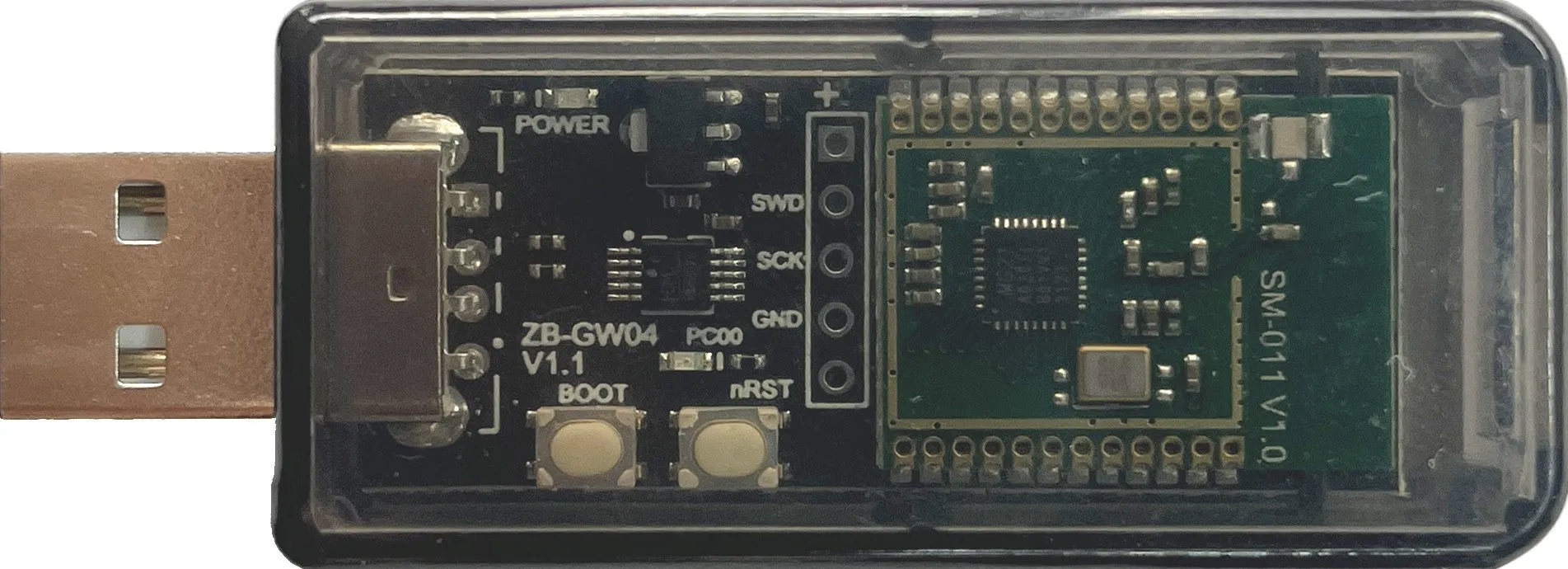
This dongle serves as the central radio for a Zigbee network, allowing various sensors, switches, and bulbs to connect to your home automation system. Its placement can significantly impact network stability and range.
Event or Professional Use
For users setting up a dedicated home automation server, this dongle acts as the primary Zigbee coordinator. Its +20dBm output gain and PCB antenna are configured to provide a strong signal for building a robust mesh network. It is suitable for permanent installation in a fixed location, such as attached to a home server or network-attached storage (NAS) device running Home Assistant Core. The support for OTA updates via UART allows for future firmware improvements to be applied, which can be important for maintaining network security and compatibility with new devices over time.
Everyday Home Use
In a typical smart home environment, the dongle enables the control of Zigbee-based devices like light bulbs, motion sensors, door/window contacts, and smart plugs through a centralised interface like Home Assistant. The pre-flashed EZSP v8 firmware means most users can simply plug it in, configure the software, and start pairing devices without dealing with complex flashing tools. The potential compatibility with other Zigbee software offers a degree of future-proofing should the user decide to switch their home automation platform, provided the new software supports the EZSP protocol.
Benefits and Buying Value
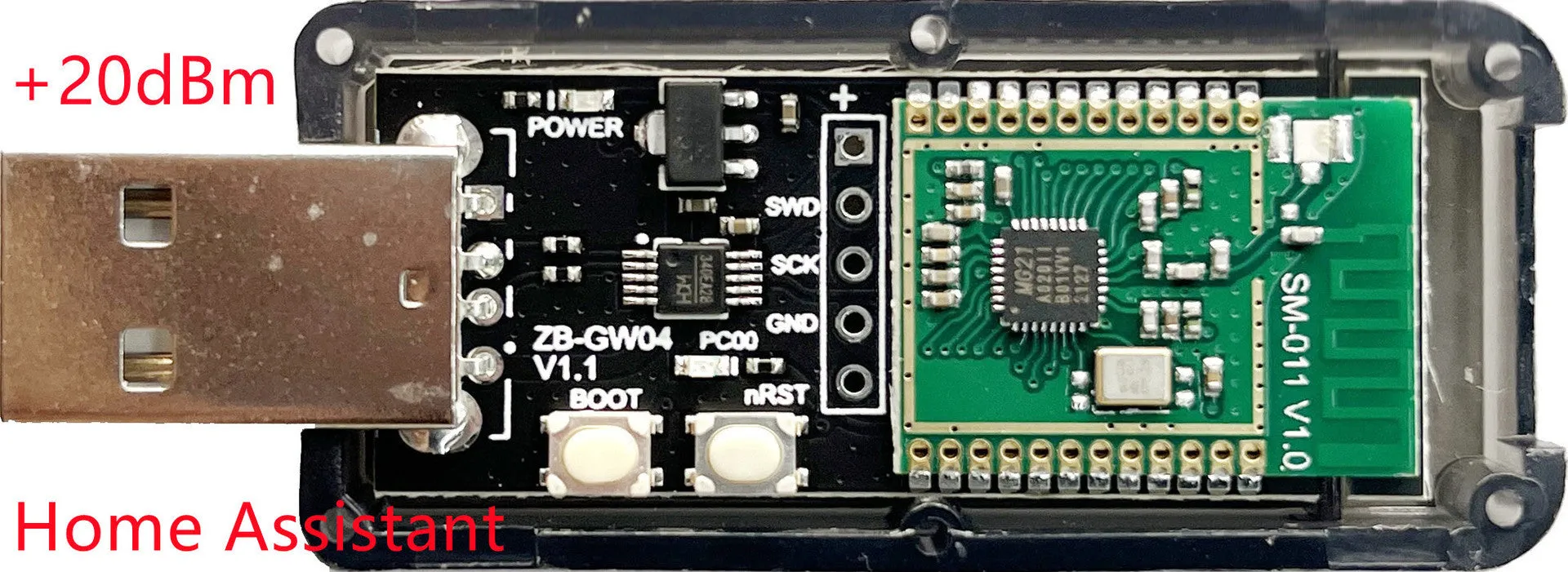
The value of this Zigbee dongle lies in its specific configuration, which targets a clear use case within the DIY smart home community, balancing capability with user convenience.
Reuse and Low Maintenance
The device is designed for continuous, long-term use as a network coordinator. The plastic housing requires minimal maintenance—primarily keeping it free from dust and ensuring adequate ventilation. The OTA update functionality via UART is a key feature for longevity, as it provides a method to update the firmware without specialised hardware programmers, allowing the dongle to adapt to new protocol features or security patches as they become available from the community or chip manufacturer.
Why Choose This Product
This dongle is a considered choice for users who want a Zigbee solution specifically tuned for Home Assistant's ZHA or Zigbee2MQTT. The pre-flashed firmware removes a significant technical barrier to entry. The specified +20dBm output gain indicates a focus on providing good signal strength, which can help in forming a more reliable and extensive Zigbee mesh network, especially in larger homes or environments with potential signal obstructions. It presents a complete, ready-to-use hardware package for its intended software ecosystems.