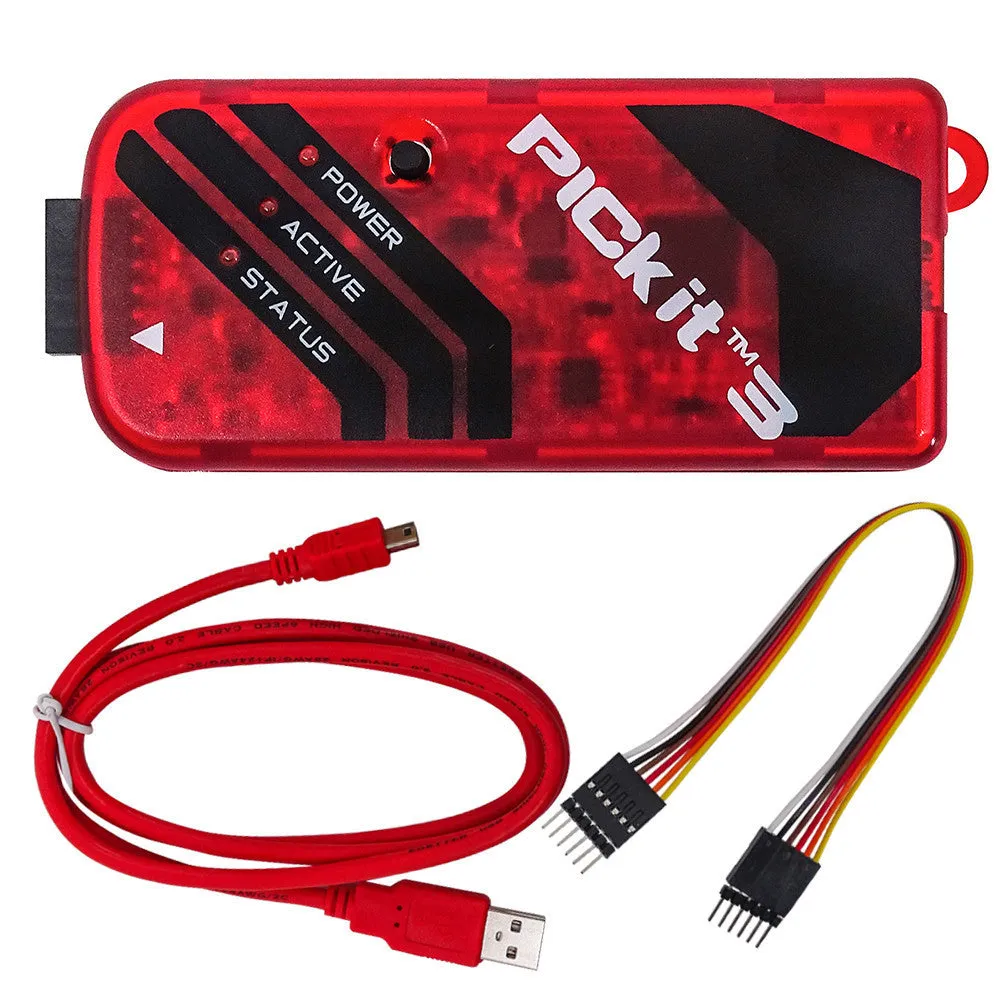
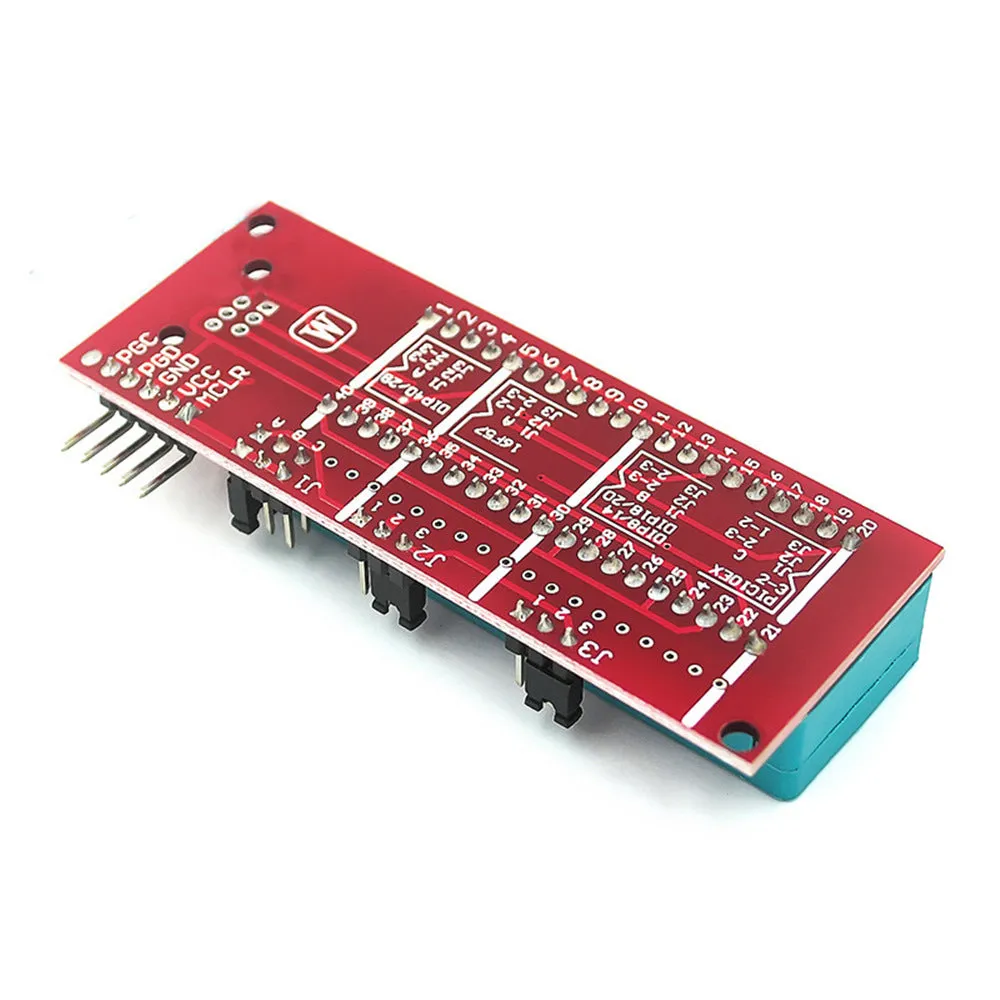
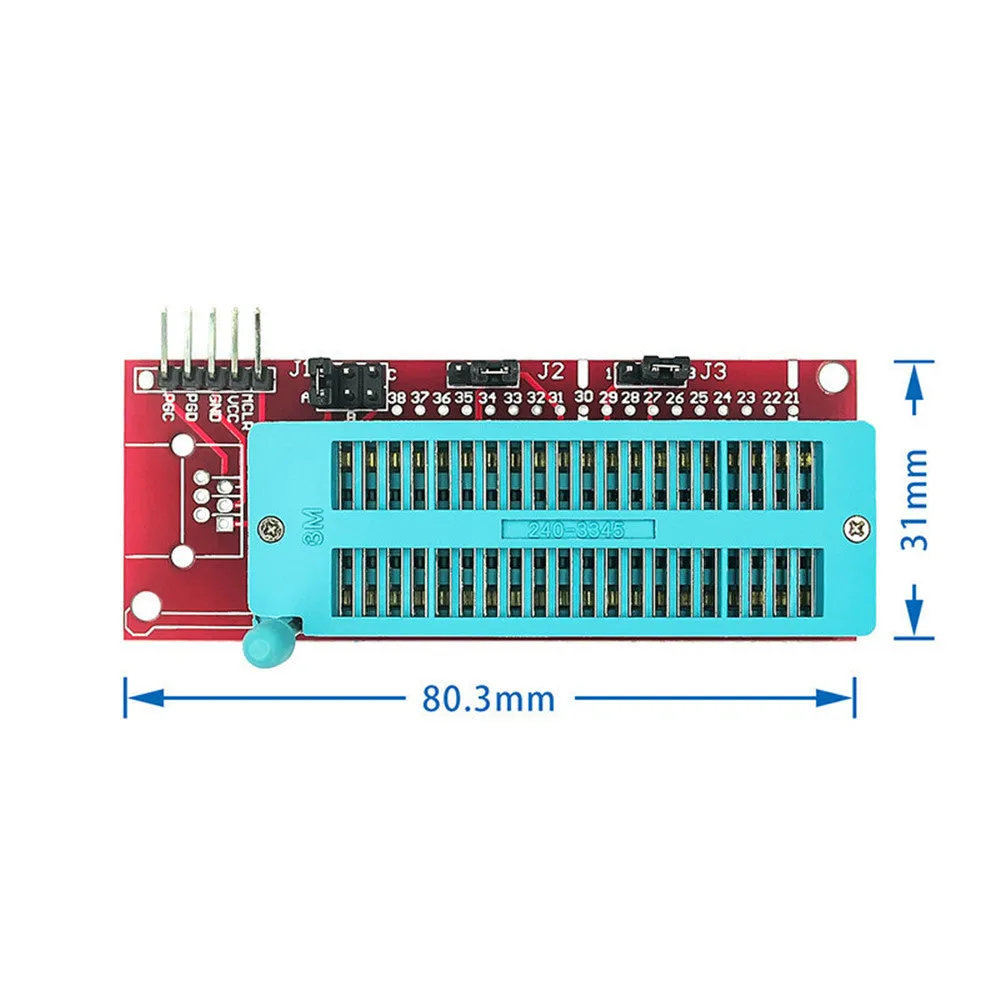
Offline simulation programmer burner compatible with KIT3, KIT3.5 and ICD2 burning sockets, providing extensive use for development and hardware programming tasks without requiring a connected PC.


Offline simulation programmer burner compatible with KIT3, KIT3.5 and ICD2 burning sockets, providing extensive use for development and hardware programming tasks without requiring a connected PC.
Offline Simulation Programmer Burner for KIT3, KIT3.5 and ICD2 Hardware Development
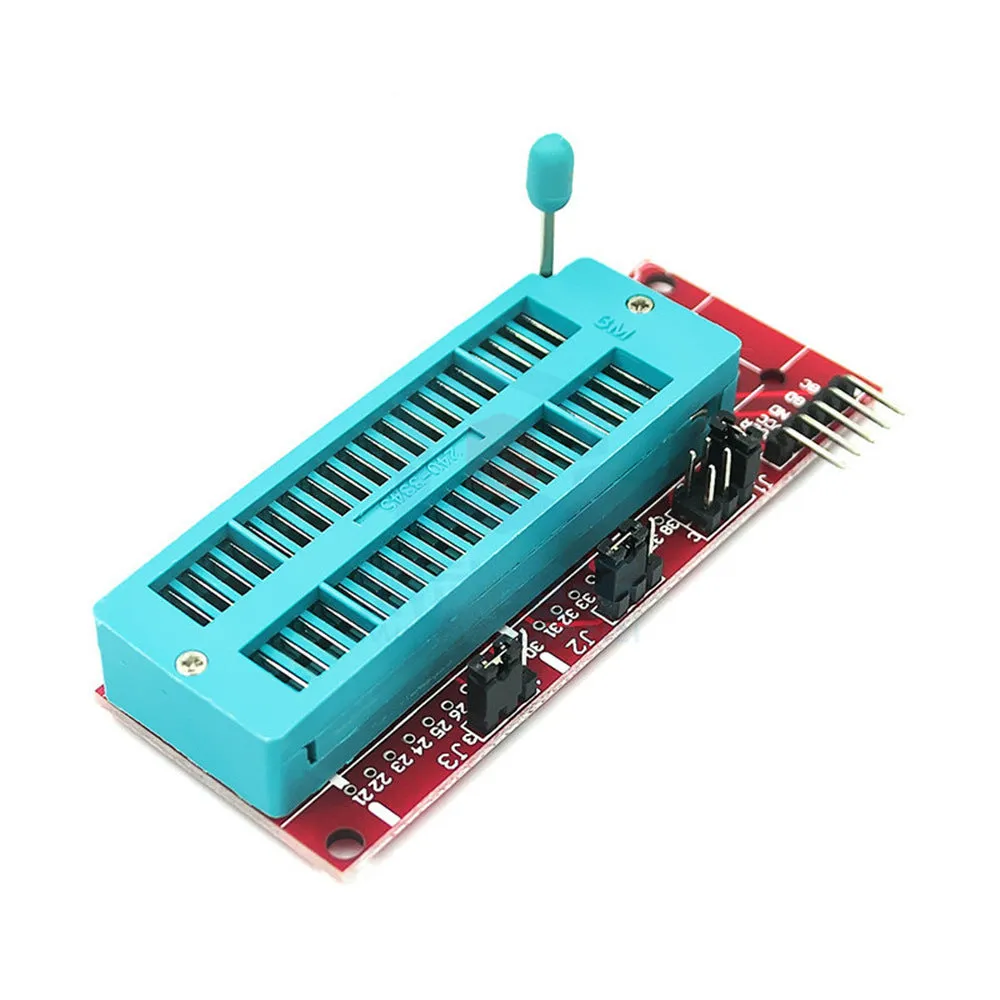
This offline simulation programmer burner serves as a dedicated hardware tool for developers and engineers, enabling the programming and simulation of devices without the constant need for a connected personal computer. It is designed for extensive use across various development cycles, offering a practical solution for burning code and testing hardware functionality. Its core value lies in supporting multiple common programming socket standards, including KIT3, KIT3.5, and ICD2 formats, making it a versatile piece of equipment for a range of projects. The unit arrives as a complete kit, requiring minimal setup to begin offline programming tasks.
Features and Construction
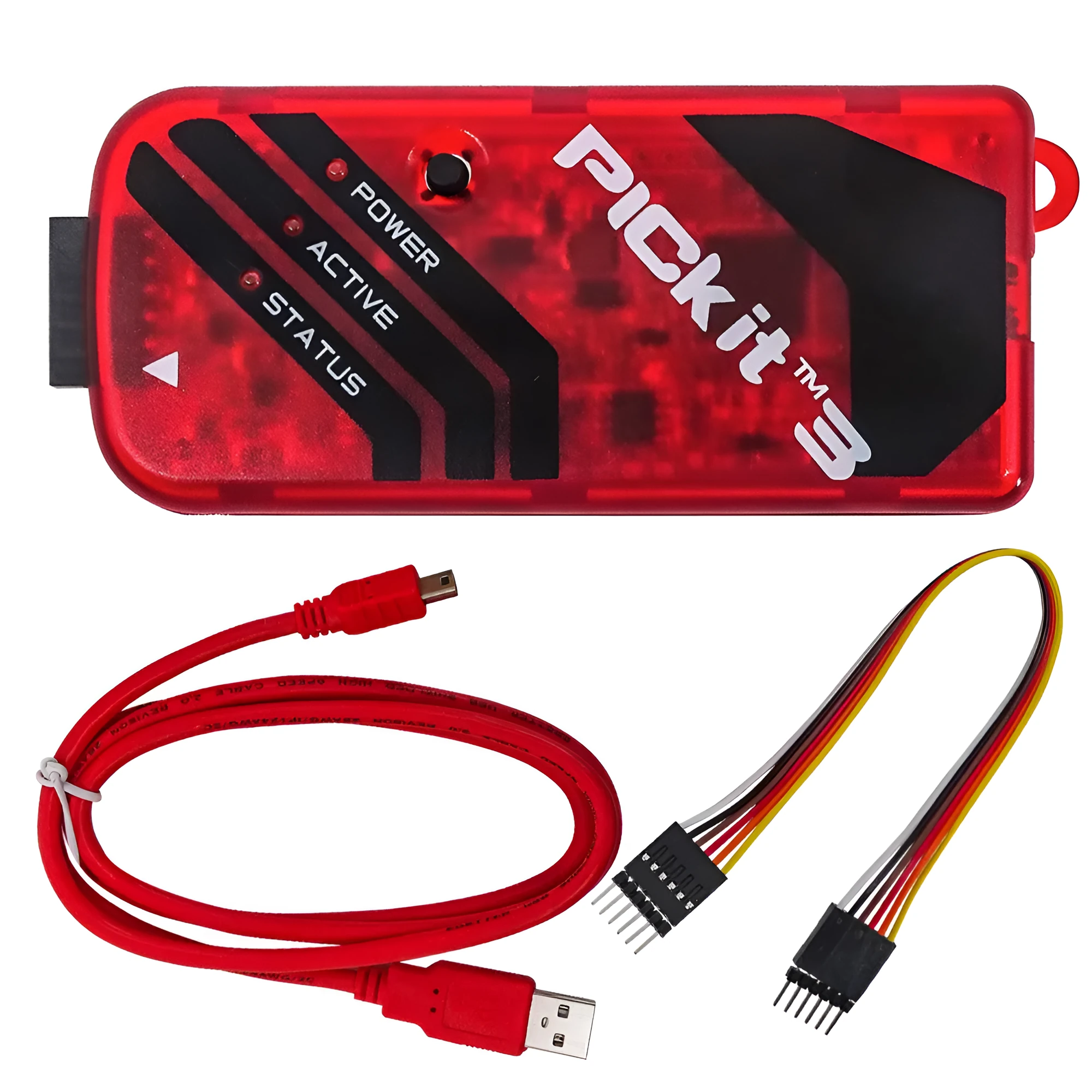
The programmer is defined by its offline operational mode and its broad socket compatibility, which form the basis of its utility in a development environment.
Material and Build
While specific materials are not detailed, the unit is constructed as electronic hardware designed for the rigours of development work. Its build centres around the circuitry and interfaces necessary to communicate with target devices via the supported socket types. The design prioritises functionality for programming and simulation tasks over aesthetic considerations, focusing on reliable connection and signal integrity.
Size and Practical Fit
No physical dimensions are provided, indicating a design that is likely portable and intended for use on a workbench or within a development lab setup. Its form factor is expected to facilitate easy connection to various target boards and systems using the compatible KIT3, KIT3.5, and ICD2 cables and sockets. The lack of specified size suggests it is a standard-sized piece of test equipment that integrates into existing hardware development workflows.
Uses and Placement
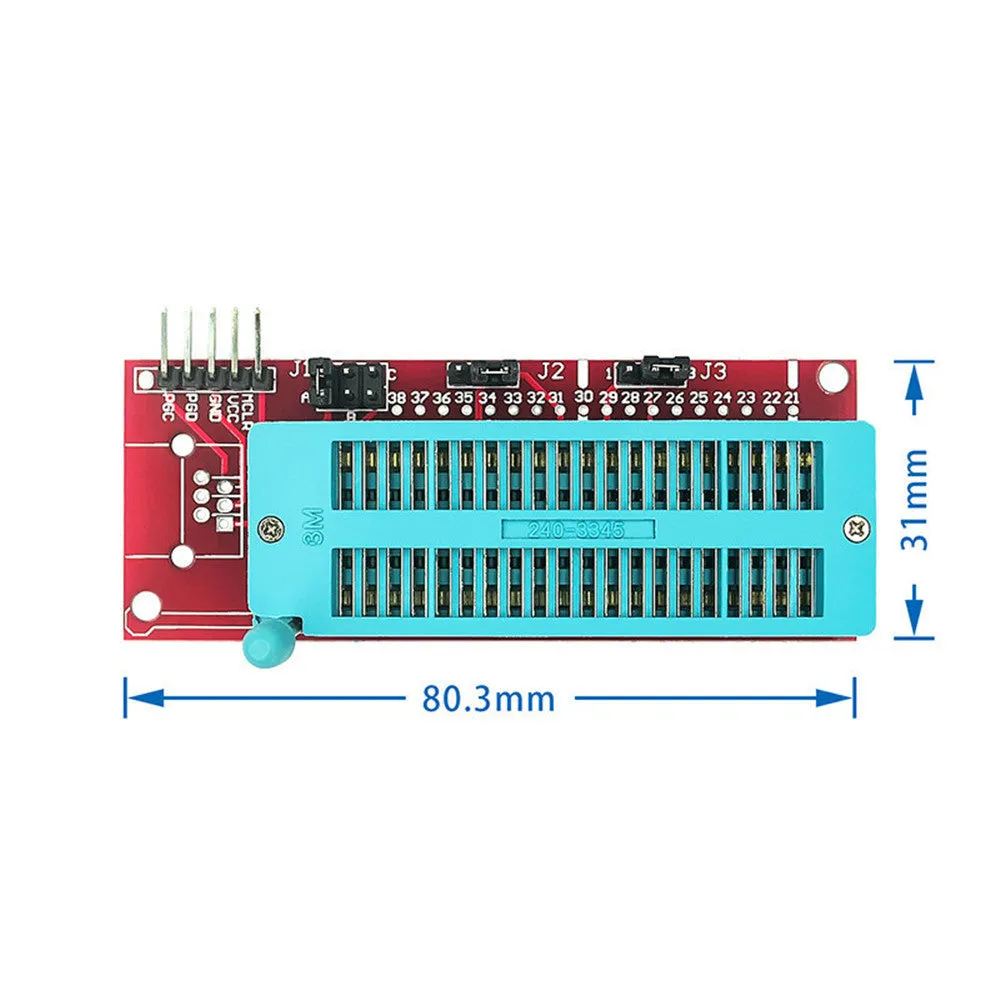
The programmer's application is centred on electronics development, providing a tool for a key phase in bringing hardware designs to life.
Event or Professional Use
In professional engineering environments or during field testing events, this offline burner allows for programming microcontrollers and other programmable logic devices independently of a development PC. This is particularly useful for final-stage firmware burns, production line programming, or troubleshooting devices where a computer may not be readily available or practical. Its support for multiple socket types means it can service a variety of chip packages and board designs commonly encountered in professional work.
Everyday Home Use
For hobbyists, students, or makers working on personal electronics projects at home, this tool simplifies the process of uploading code to their creations. The offline capability means a single computer is not tied up during the often repetitive process of programming and testing. It enables a more streamlined workflow where code can be compiled on a PC and then transferred to the standalone burner for the actual device programming, freeing up the computer for other tasks.
Benefits and Buying Value
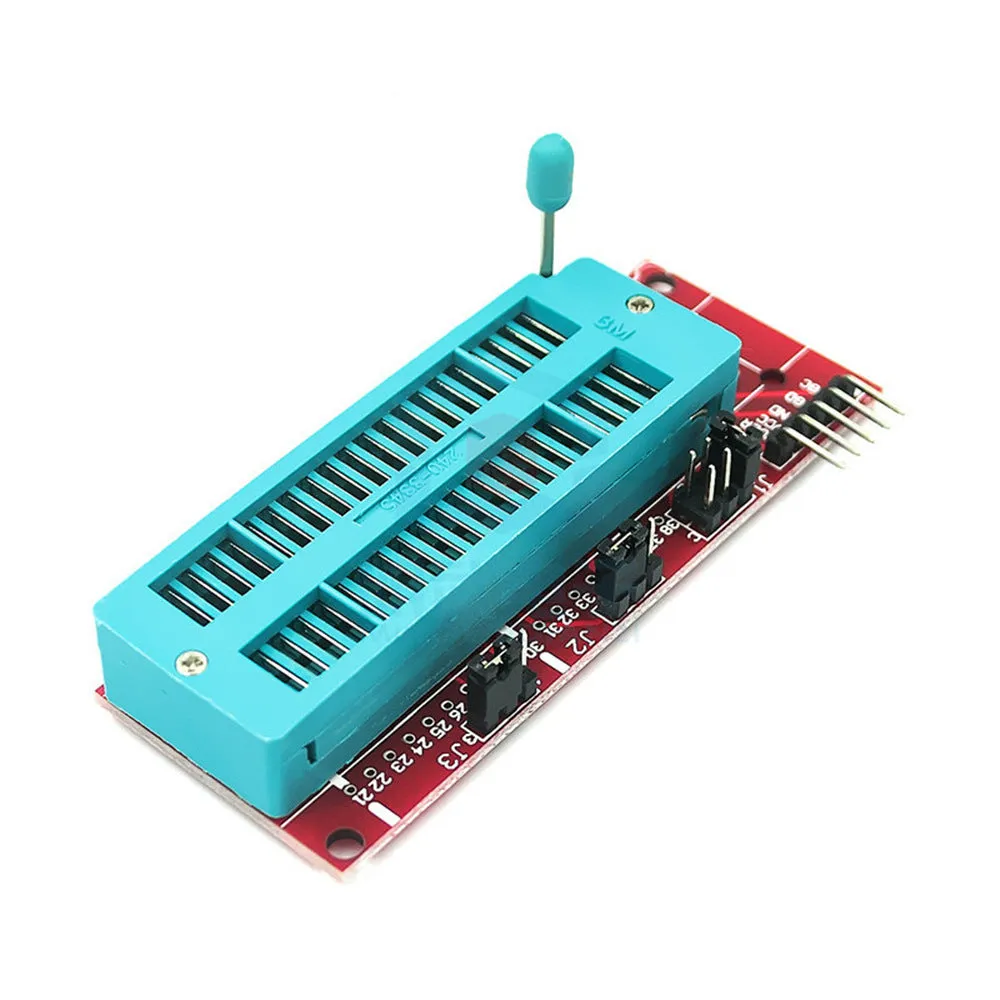
The value of this programmer stems from its focused functionality, compatibility, and the convenience of offline operation within a development toolkit.
Reuse and Low Maintenance
As a solid-state electronic tool with no moving parts, the programmer is designed for repeated use across many projects and development cycles. Its maintenance is typically low, involving only keeping the socket contacts clean and ensuring proper cable connections. The extensive use case mentioned in the source implies it is built to withstand the repeated plugging, unplugging, and operational demands of a development setting, offering long-term utility from a single purchase.
Why Choose This Product
You should consider this offline simulation programmer burner if your work involves programming hardware using KIT3, KIT3.5, or ICD2 interfaces and you require the flexibility of disconnecting from a PC. Its primary advantage is serving as a dedicated, always-ready tool that supports these specific, widely-used protocols. It eliminates a dependency point in your workflow and can increase efficiency in environments where multiple devices need to be programmed or where computer resources are shared. The inclusion as a complete kit means you have everything required to start using it immediately for its intended extensive applications.