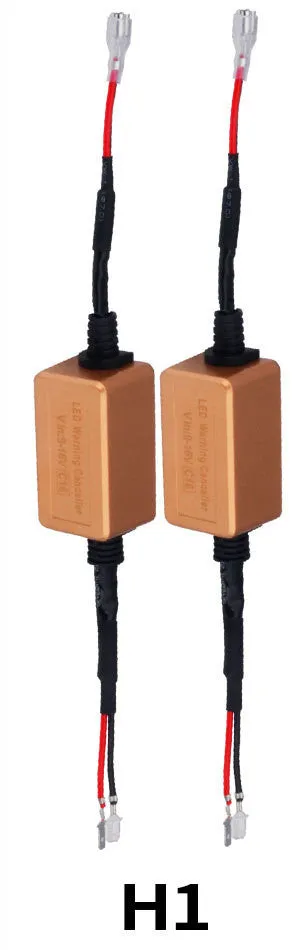
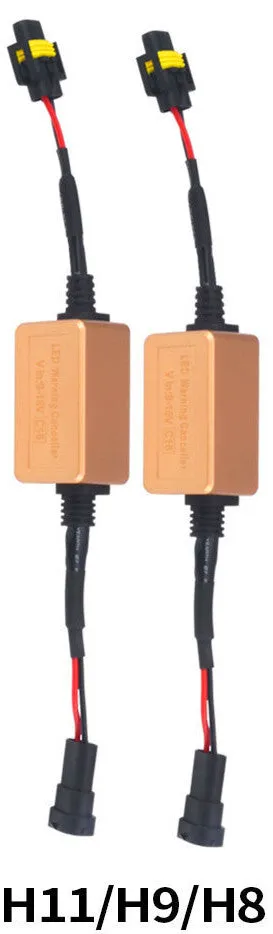
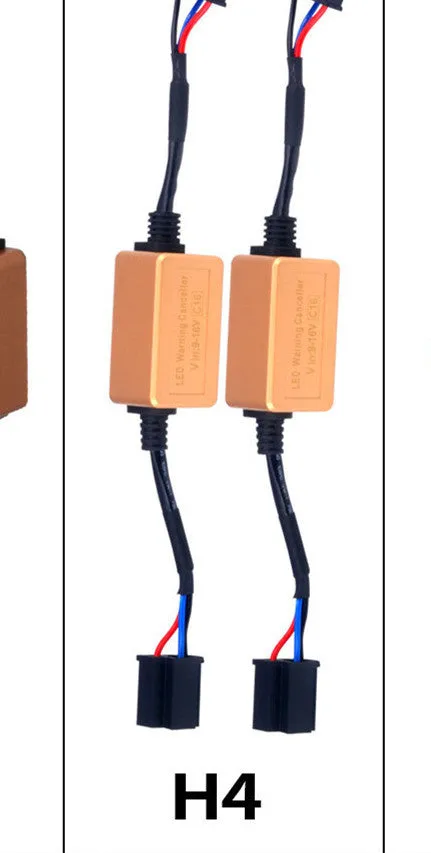
LED car headlight CANbus decoder anti-flicker resistor for H4 H7 H11 H13 lamps eliminates warning errors and computer malfunctions with plug-and-play installation in black alloy housing


LED car headlight CANbus decoder anti-flicker resistor for H4 H7 H11 H13 lamps eliminates warning errors and computer malfunctions with plug-and-play installation in black alloy housing
CANbus Decoder for LED Headlights: Stop Flickering and Clear Error Codes for H4 H7 H11 H13 Lamps
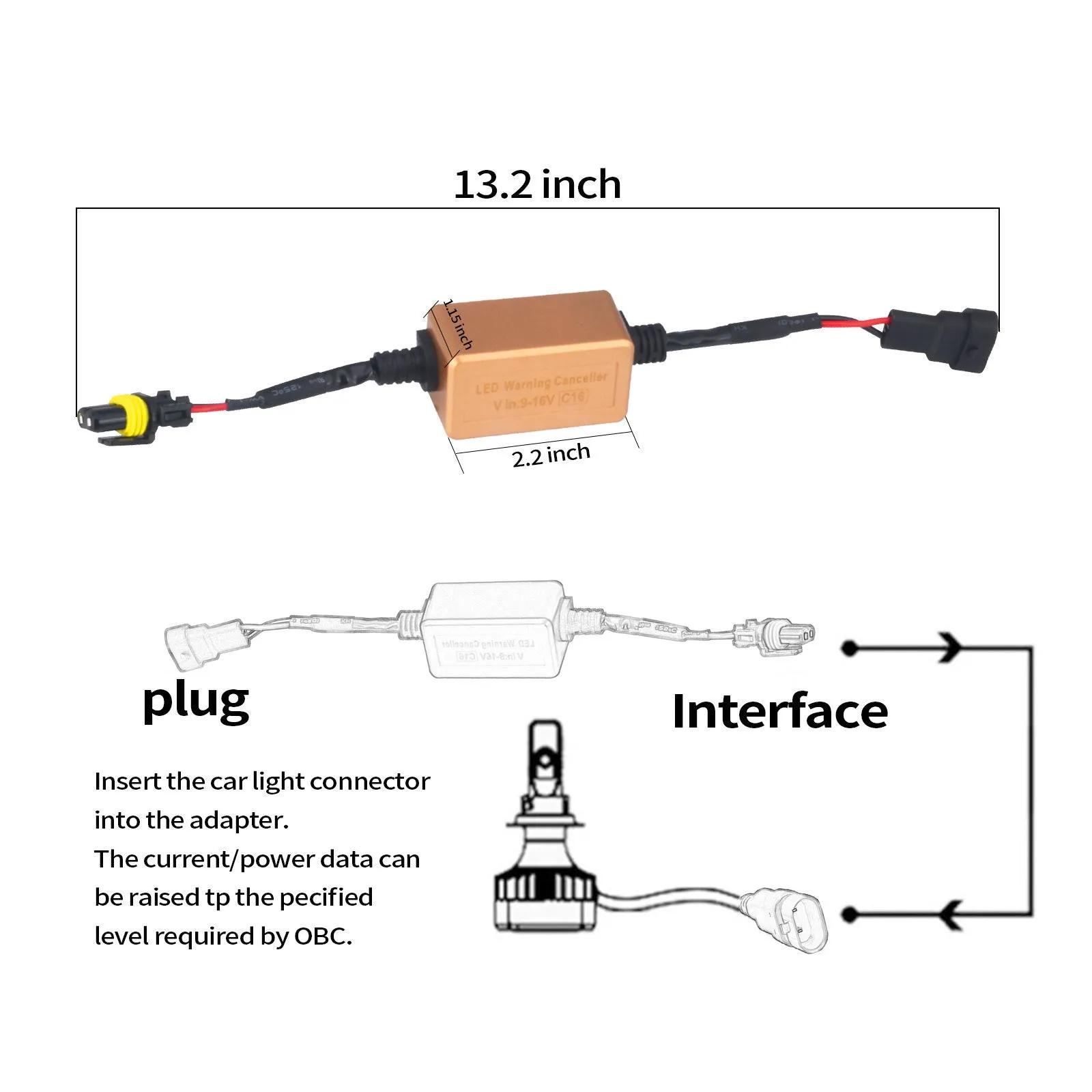
Upgrading your car's halogen headlights to brighter, more efficient LED units often introduces compatibility issues with the vehicle's onboard computer (OBC). This CANbus decoder is a dedicated interface designed to bridge that gap. It works by simulating the electrical load of the original halogen bulbs, preventing the flickering that can occur with LEDs and stopping the car's computer from triggering warning lights or malfunction messages on the dashboard. Specifically engineered for H4, H7, H11, and H13 lamp fittings, this black alloy decoder offers a plug-and-play solution that requires no complex wiring, making your LED upgrade seamless and trouble-free.
Features and Construction
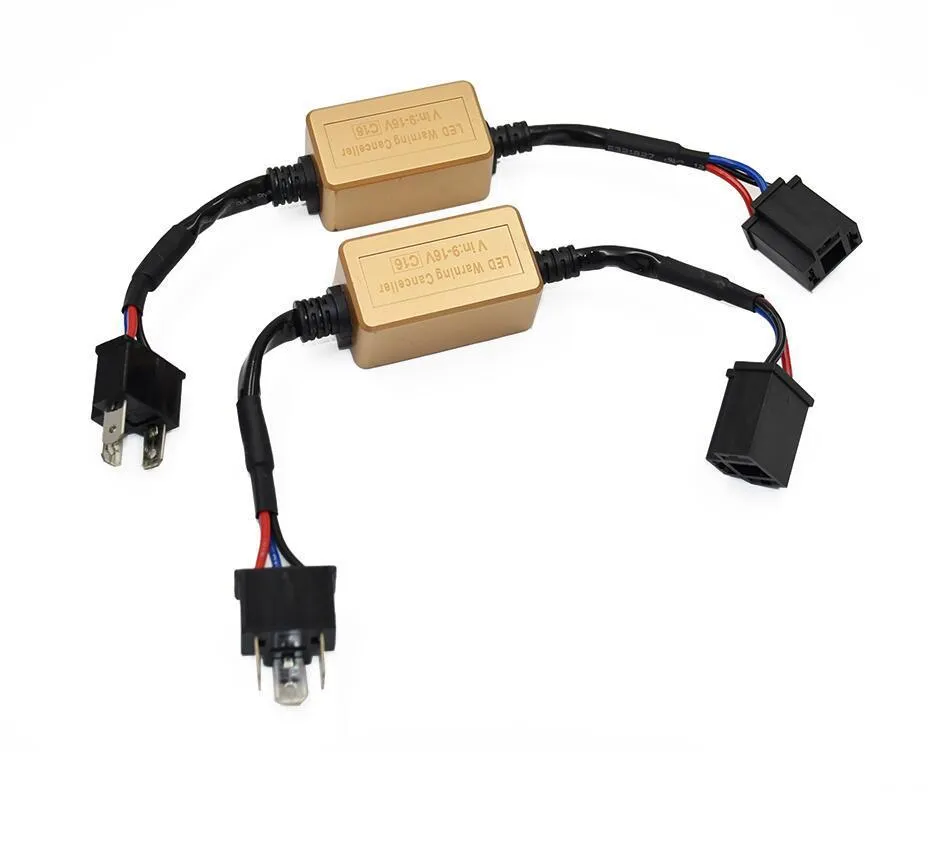
This device addresses the core technical challenges of an LED headlight conversion. Its primary function is to ensure stable, error-free operation by communicating correctly with your vehicle's CANbus network, the system that monitors all electronic components.
Material and Build
The decoder is housed in a robust alloy casing, which helps dissipate heat and provides durability for the engine bay environment. Inside, an ordinary wire winding process creates the resistive load necessary to mimic a halogen bulb's electrical characteristics. This 35W rated power component is the heart of the system, effectively tricking the car's computer into accepting the new LED bulbs without flagging them as faults.
Size and Practical Fit
Designed with a focus on universal application for specified bulb types rather than vehicle-specific sizing, its compact form factor is intended for straightforward installation. The key practical consideration is compatibility with your vehicle's headlight plug type. The decoder interfaces directly with H4, H7, H11, or H13 connectors, creating a simple inline connection between the car's original wiring and the new LED bulb.
Uses and Placement

This product has a single, clear application: facilitating a successful LED headlight upgrade in vehicles where such an upgrade causes electronic warnings or poor performance.
Event or Professional Use
For automotive technicians, detailers, or enthusiasts performing LED conversions, this decoder is a standard troubleshooting tool. It prevents callback jobs due to customer complaints about flickering lights or dashboard warnings, ensuring a professional, finished installation. Its plug-and-play nature saves workshop time compared to more complex resistor wiring solutions.
Everyday Home Use
For the DIY car owner, this decoder simplifies what can be a frustrating process. Instead of dealing with hyper-flashing indicators, flickering main beams, or a persistent 'bulb out' warning light after an LED swap, this device typically resolves the issue immediately. It allows you to enjoy the benefits of LED headlights—such as increased light output and longevity—without compromising your vehicle's electronic integrity.
Benefits and Buying Value
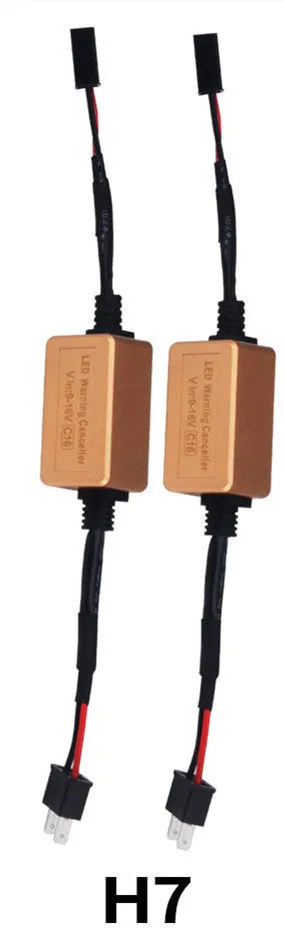
The value of this decoder lies in its ability to unlock the full potential of your LED headlight investment by ensuring they work as intended, reliably and without error.
Reuse and Low Maintenance
Once installed, the decoder requires no maintenance and is designed to last for the life of the LED bulbs. If you change vehicles or headlights, the decoder can typically be removed and reused, provided the new application uses one of the compatible H-series bulb types. Its simple design, with no moving parts or complex electronics, contributes to its long-term reliability.
Why Choose This Product
Choosing this specific decoder means selecting a product built for a clear purpose with stated specifications. Its 35W rating and compatibility with common H4, H7, H11, and H13 bulbs cover a wide range of vehicles. The alloy construction suggests a focus on heat resistance suitable for under-bonnet conditions. It represents a direct, no-fuss solution to a well-defined technical problem, avoiding the guesswork and potential failures of unbranded or unspecific alternatives.