
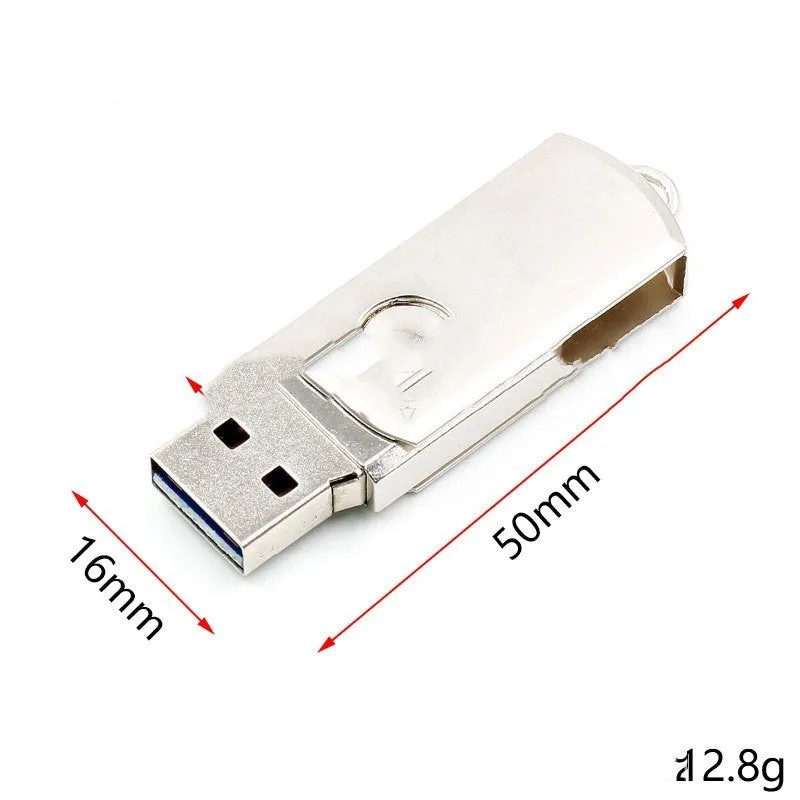
ATMEGA32U4 USB Development Board Single Chip Microcomputer Virtual Keyboard Kit 50mm x 16mm Compact Size Programmable USB Interface Device


ATMEGA32U4 USB Development Board Single Chip Microcomputer Virtual Keyboard Kit 50mm x 16mm Compact Size Programmable USB Interface Device
ATMEGA32U4 USB Development Board for Creating Custom Virtual Keyboards and USB Devices

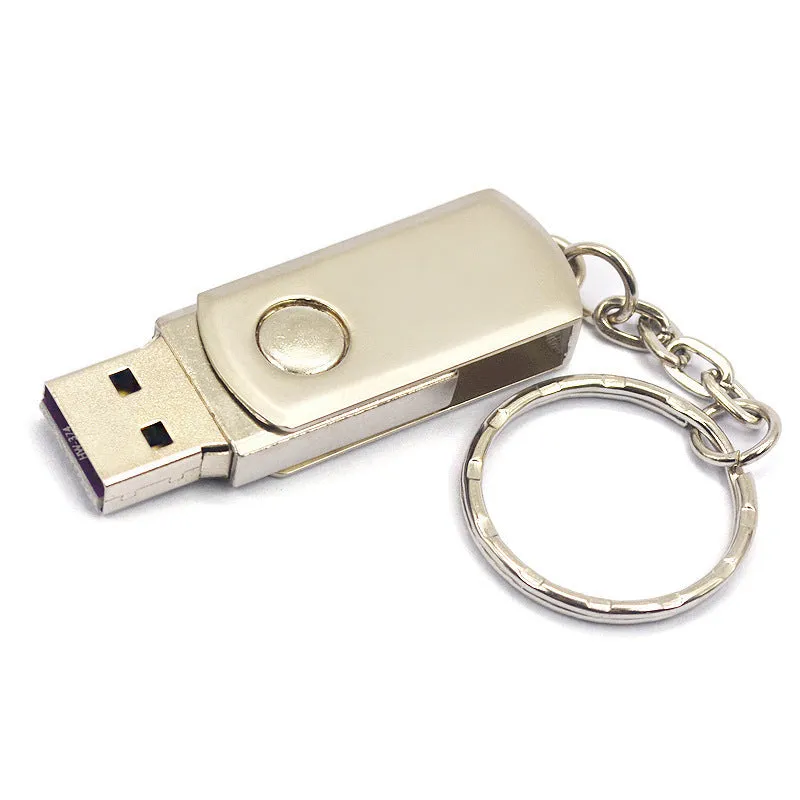
This development board provides a dedicated hardware platform centred on the ATMEGA32U4 microcontroller, designed for engineers, hobbyists, and students developing USB-based human interface devices. Its primary function is to serve as the programmable core for creating virtual keyboards, macro pads, and other custom USB input devices. The compact 50mm by 16mm size makes it easy to integrate into final project enclosures or use in a breadboard-friendly prototyping environment. Supplied with a USB disk likely containing necessary firmware or documentation, it offers a practical starting point for embedded systems projects requiring USB communication.
Features and Construction
The board's design is focused on functionality and accessibility for development purposes. It provides the essential components needed to program the microcontroller and establish a USB connection without superfluous features that complicate the learning process.
Material and Build
The board is built around the ATMEGA32U4 microcontroller, a chip capable of acting as a USB device without additional components. This includes a USB connector for both power and data communication, alongside standard supporting circuitry like crystal oscillators, voltage regulators, and passive components mounted on a printed circuit board (PCB). The construction prioritises a clear layout for easy access to programming headers and input/output pins.
Size and Practical Fit
With dimensions of 50mm in length and 16mm in width, this development board has a notably compact form factor. This small size is advantageous for projects where space is limited, allowing it to be embedded into a final product's housing more easily than larger evaluation boards. It can be mounted using its pre-drilled holes or integrated onto a larger prototype board as a modular component.
Uses and Placement

This board is versatile within the realm of microcontroller programming and USB device creation. It is suited for both structured learning and practical product development.
Event or Professional Use
In professional or advanced maker settings, this board can serve as a reliable test platform for developing firmware for custom USB keyboards, gaming controllers, or specialised data entry devices. Its standard USB data rate ensures compatibility, while the programmable nature of the ATMEGA32U4 allows for the creation of complex key mapping, macros, and LED feedback systems for prototypes and small-batch production.
Everyday Home Use
For hobbyists and students at home, this board is a practical tool for learning about microcontroller programming and USB protocols. Projects might include building a personalised macro pad for streaming or creative software, constructing an accessibility switch interface, or creating a custom controller for sim racing or flight simulation. The included USB disk provides a starting point, reducing initial setup time.
Benefits and Buying Value
The value of this product lies in its specific component focus and practical form factor, offering a direct path to developing a certain class of USB devices.
Reuse and Low Maintenance
The board itself is a durable electronic component that can be reprogrammed countless times for different projects. Once the initial setup is complete using the provided USB disk resources, the board requires minimal maintenance—simply connect via USB to upload new firmware. There are no consumable parts, making it a long-term tool in a developer's kit.
Why Choose This Product
This board is a targeted solution for anyone needing to develop with the ATMEGA32U4 chip, particularly for USB HID projects like keyboards. Its compact size is a clear differentiator from bulkier general-purpose development boards, and its inclusion of a USB disk helps bridge the gap between receiving hardware and writing the first line of code. It provides the essential circuitry in a minimal footprint, avoiding the cost and complexity of unnecessary onboard features.
