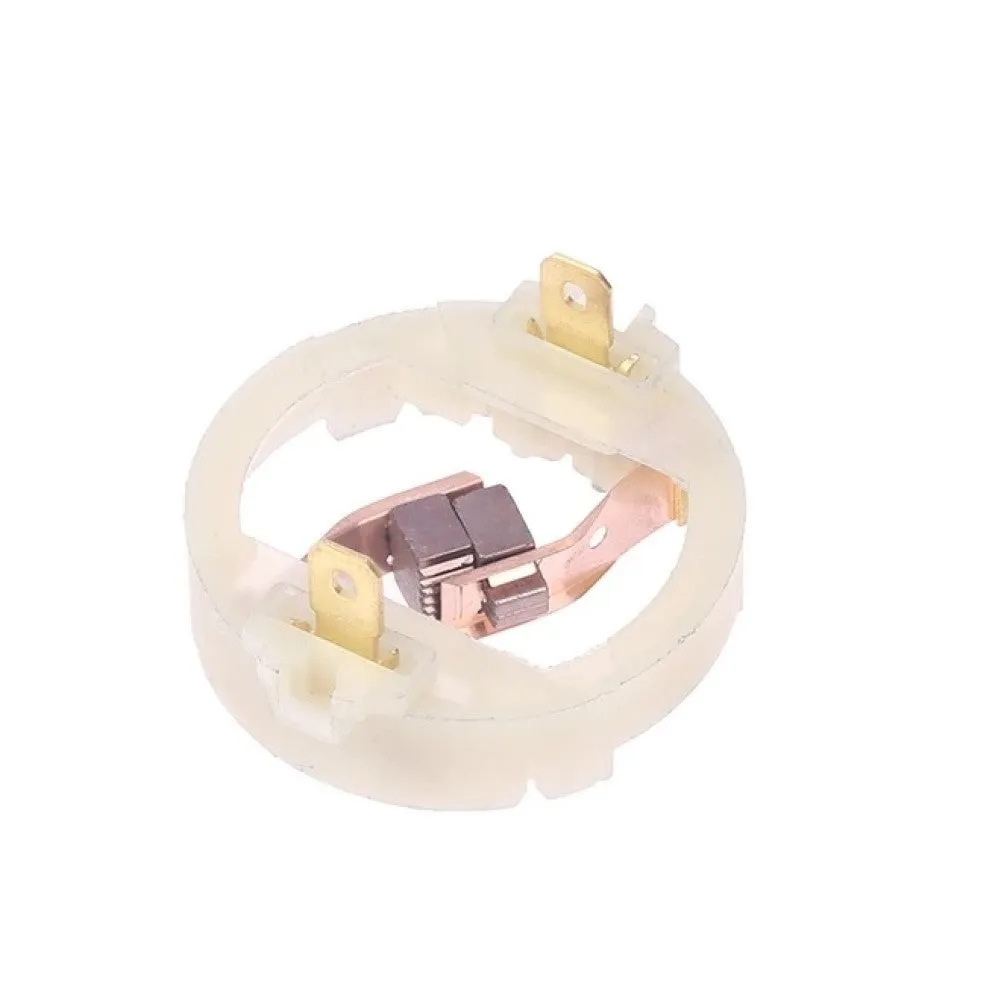
895 DC Motor Carbon Brush Holder End Cover Repair Parts for 875 and 887 Screwdriver Models, Metal Graphite Replacement Component, Compatible Motor End Cover for Repair Kits, Single Repair Part with 12g Weight


895 DC Motor Carbon Brush Holder End Cover Repair Parts for 875 and 887 Screwdriver Models, Metal Graphite Replacement Component, Compatible Motor End Cover for Repair Kits, Single Repair Part with 12g Weight
895 DC Motor Carbon Brush Holder End Cover: Metal Graphite Repair Part for 875 and 887 Models
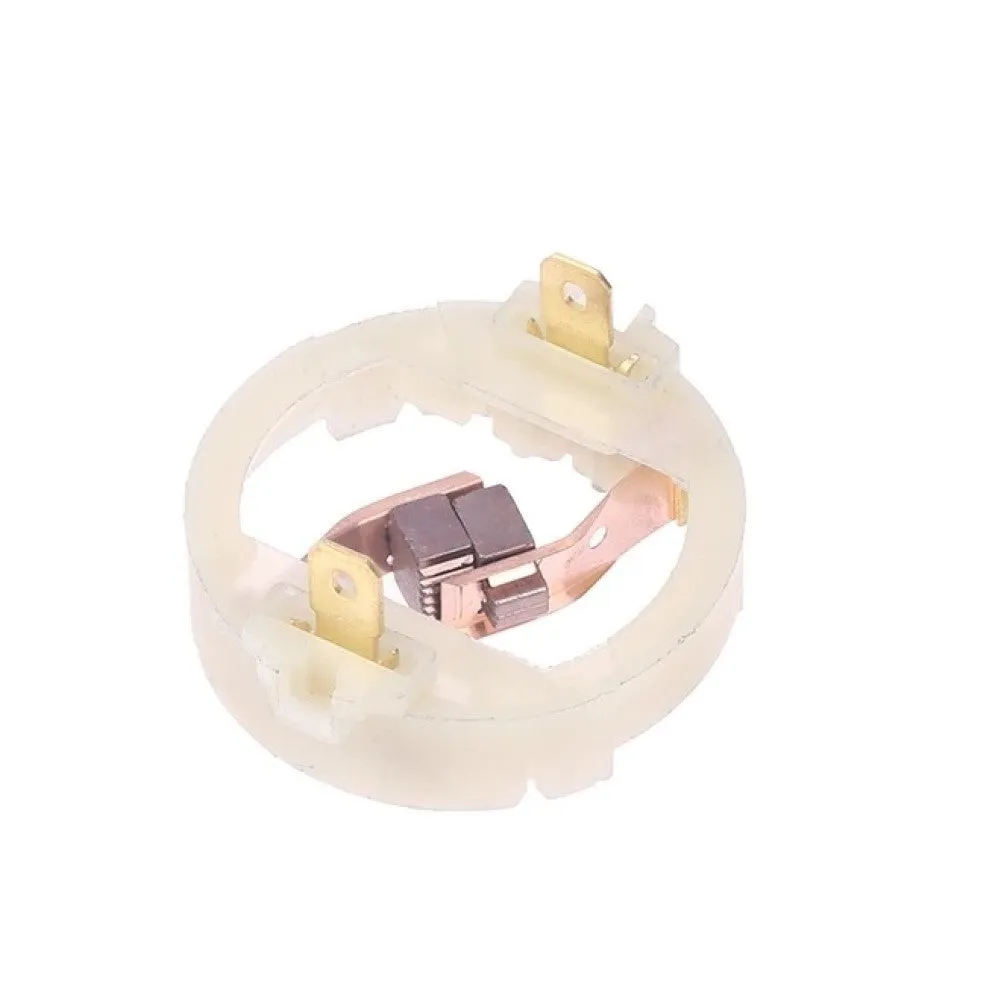
This carbon brush holder end cover is a dedicated repair component designed for specific DC motor models used in power tools, notably electric screwdrivers. It provides a practical solution for workshop maintenance, tool refurbishment, or DIY repair projects where a motor's original end cover has failed. By offering a compatible part for the 895, 875, and 887 motor references, it enables targeted repair, which can be more cost-effective than replacing an entire motor assembly. The part's construction from metal graphite aligns with the material requirements for components that house and guide motor brushes.
Features and Construction
This repair part is defined by its precise compatibility and material specification, offering a straightforward replacement for a common point of motor wear.
Material and Build
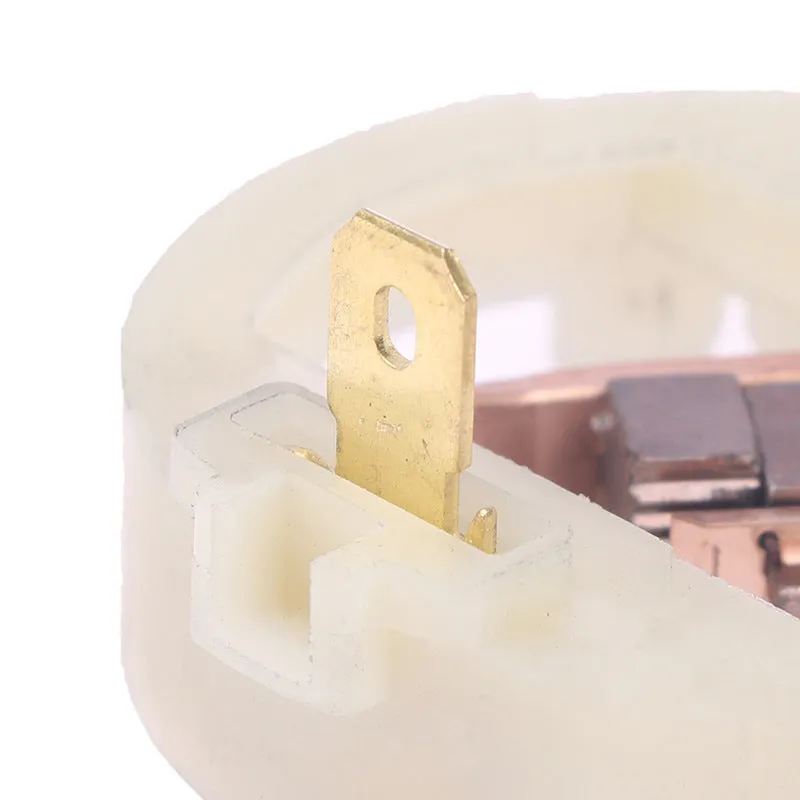
The end cover is manufactured from metal graphite. This composite material is frequently selected for components in electrical motors, particularly those involving brushes, due to its conductive properties and ability to withstand the friction and arcing associated with brush operation. The use of this material indicates its design purpose is functional, focusing on electrical performance and durability within the motor's operating environment rather than external aesthetics.
Size and Practical Fit
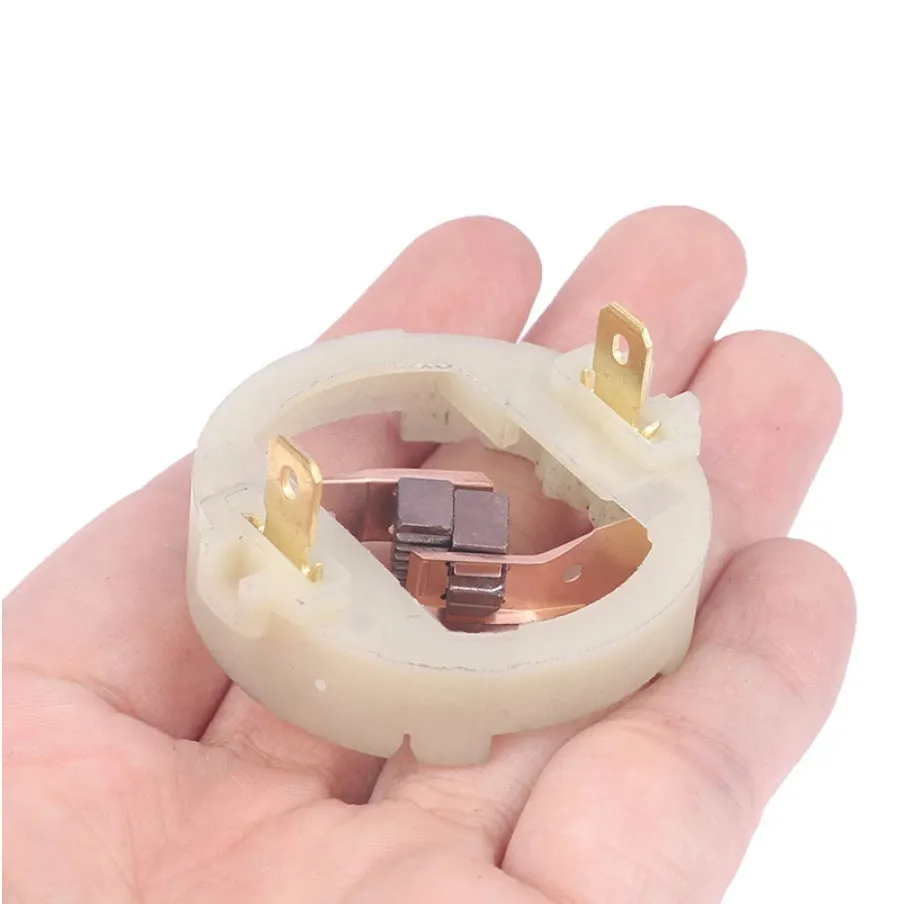
The component has a confirmed weight of 12 grams, a useful metric for logistics and inventory. Its primary design characteristic is its precise fit for the 895, 875, and 887 DC motor models. This specific compatibility is crucial for a successful repair, as motor end covers must align exactly with the motor housing and brush assembly to ensure proper electrical contact and mechanical operation. It is supplied as a single unit, making it suitable for repairing one motor at a time.
Uses and Placement

This part serves a clear role in the maintenance and repair cycle of specific power tools, finding its place in both professional and personal workshop settings.
Event or Professional Use
For professional tool repair services or maintenance departments, this component acts as a spare part for restoring functionality to cordless screwdrivers or other tools using the compatible motor models. It allows for efficient repair workflows, keeping downtime for essential tools to a minimum. Its single-unit packaging aligns with repairing individual tools as they come in for service.
Everyday Home Use
For the experienced DIY enthusiast or hobbyist, this part enables the repair of older or valued power tools that might otherwise be discarded. Repairing a motor by replacing a worn carbon brush holder can extend the tool's life significantly. The project requires basic technical skill and an understanding of DC motor disassembly, making it a satisfying repair for those comfortable with electronics and mechanics.
Benefits and Buying Value
The value of this component lies in its specificity and the practical repair opportunity it provides, aligning with sustainable consumption through repair.
Reuse and Low Maintenance
The core benefit is enabling the reuse of an otherwise functional motor. If the motor armature and other internal components are intact, replacing a faulty end cover can fully restore operation. This approach reduces waste from discarded tools and can represent a lower cost than sourcing a new motor or an entire replacement tool, especially for less common or older models.
Why Choose This Product
This product is chosen for its exact compatibility with the listed motor models (895, 875, 887) and its appropriate metal graphite construction. When a motor fails due to a worn or broken brush holder, this part provides the correct solution. Its value is in its precision; using a non-compatible or generic part could lead to poor electrical contact, misalignment, or further damage, making this model-specific component a necessary choice for a reliable repair.